
Top search terms
2023 Yungang Cultural Heritage Smart Data and Digital Humanities Research Forum Successfully Held
2023-08-31
From August 24 to 27, 2023, the 2023 Yungang Cultural Heritage Smart Data and Digital Humanities Research Forum was successfully held in Datong, Shanxi Province. The conference was co-hosted by the Cultural Heritage Protection Committee of the Chinese Society for Geodesy, Photogrammetry and Cartography, the Digital Heritage Special Committee of the International Council on Monuments and Sites China, the Datong Municipal Bureau of Cultural Relics, and the Yungang Research Institute. The forum aimed to promote the intelligent empowerment of China's digital cultural heritage for the activation and utilization of cultural heritage, while also advancing research related to digital humanities. More than 200 representatives from cultural and museum institutions, universities, and cultural heritage enterprises worldwide attended the event, including participants from the International Committee for Documentation of Cultural Heritage (CIPA), Kent State University (USA), and the Zhoukoudian Site Management Office.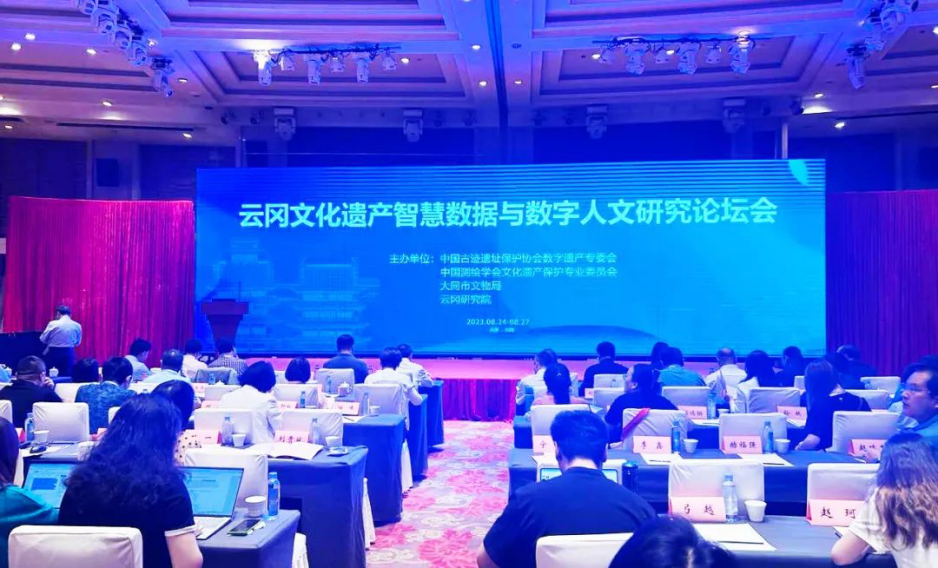
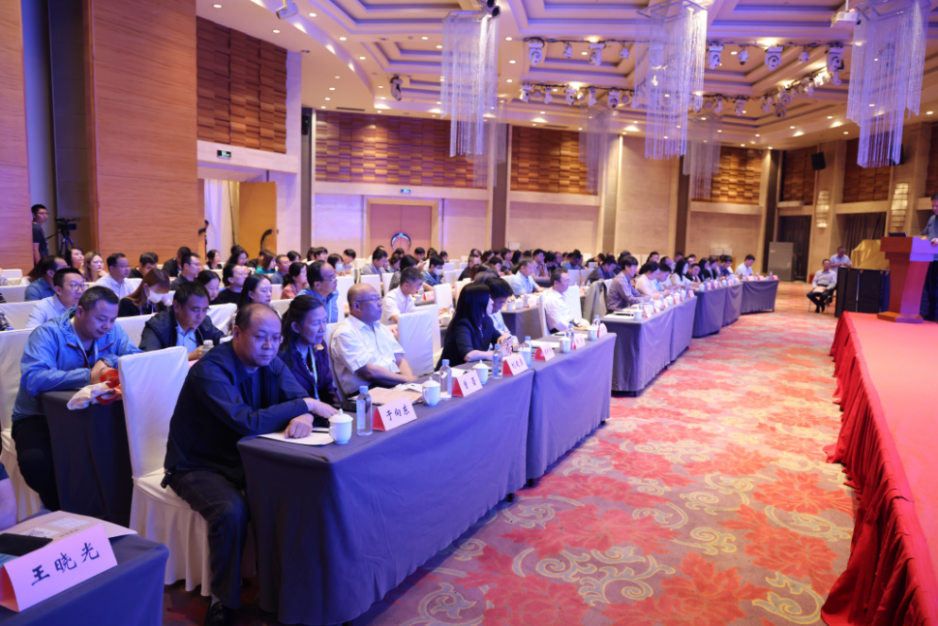
The theme of this year's forum was "Jointly Building Open Cultural Heritage Data and Vigorously Promoting Digital Humanities Research." The opening ceremony was presided over by Hang Kan, Dean of the Yungang Research Institute. Song Chaozhi, President of the Chinese Society for Geodesy, Photogrammetry and Cartography, emphasized in his opening speech that the application of surveying and mapping technology has provided new research directions for cultural heritage protection. He noted that this forum would further promote interdisciplinary integration and innovative development, expressing his hope that the forum would spark more intellectual and technological cross-pollination. Gao Xinwen, Deputy Mayor of Datong Municipal People's Government, and Zhang Zhuo, Party Secretary of the Yungang Research Institute, also delivered speeches, highlighting the significant importance of smart data and digital humanities in promoting the innovative development of digital cultural heritage, and wishing the forum a successful conclusion.
Professor Dang Anrong, member of the Cultural Heritage Protection Committee of the Chinese Society for Geodesy, Photogrammetry and Cartography, Deputy Director of the Digital Heritage Special Committee of the International Council on Monuments and Sites China, and professor at Tsinghua University, presided over the keynote speech session. Thirteen experts, including Professor Li Aiqun, Vice President of Beijing University of Civil Engineering and Architecture, delivered insightful presentations on topics such as preventive protection of cultural relics, open sharing of smart data, smart knowledge services, exploration of cultural heritage activation pathways, and artistic interpretation. Professor Li Aiqun proposed the gradual implementation of classification, grading, and preventive protection of architectural heritage through three key technologies: digital protection, health monitoring and assessment, and comprehensive performance improvement. Professor Dang Anrong, Deputy Director of the Cultural Heritage Protection Committee, elaborated on the distinctive characteristics and challenges of cultural heritage, and based on the essential connotations of digital twins in physical space, cognitive space, and cyberspace, discussed multi-source spatial technologies and spatiotemporal big data technologies, pointing out that digital twins represent a new opportunity for cultural heritage protection and inheritance. Professor Hou Miaole, Deputy Director of the Cultural Heritage Protection Committee, introduced the concepts of digital cultural heritage, spatiotemporal intelligence, and virtual restoration. She shared the theoretical and methodological framework for cultural heritage spatiotemporal intelligence, which is built upon the three major characteristics of digital cultural heritage—multi-source, multi-scale, and multi-dimensional dynamic data. She also elaborated on solutions to key challenges such as high-precision information acquisition of cultural relics, multi-level representation, and assessment and prediction of damaged areas, and provided detailed introductions to the virtual restoration of the Thousand-Hand Bodhisattva at Dazu Rock Carvings and the high-fidelity replication of Cave 18 at Yungang.
On the morning of August 26, the sub-forum on "Cultural Heritage Protection from the Perspective of Digital Humanities and Smart Data," organized by the Cultural Heritage Protection Committee of the Chinese Society for Geodesy, Photogrammetry and Cartography, was successfully held. Wu Yuhua, Director of the Planning Department of the China Cultural Heritage Information Center, and Professor Hou Miaole from Beijing University of Civil Engineering and Architecture presided over the first and second halves of the session, respectively. Zhang Xiangqian, Secretary-General of the Cultural Heritage Protection Committee and Chairman of Beijing Dici Technology Co., Ltd., moderated the roundtable discussion. The committee invited eight experts, including university professors, representatives from world cultural heritage site application units, and heritage digital technology enterprises, to deliver excellent presentations on topics such as virtual restoration of cultural relics, heritage monitoring practices and exploration, digital empowerment of heritage protection, integration of archaeology and surveying, and spatial information technology for digital cultural heritage protection. The Cultural Heritage Protection Committee is dedicated to combining modern surveying and mapping technology with the needs of cultural heritage protection, exploring innovation and accumulating experience, and integrating modern surveying technology, modern cultural relic protection technology, and modern display and communication technology. The committee has consistently been actively involved in academic research, technological innovation, application promotion, and knowledge dissemination activities related to cultural heritage protection, making positive contributions to the protection and inheritance of outstanding cultural heritage.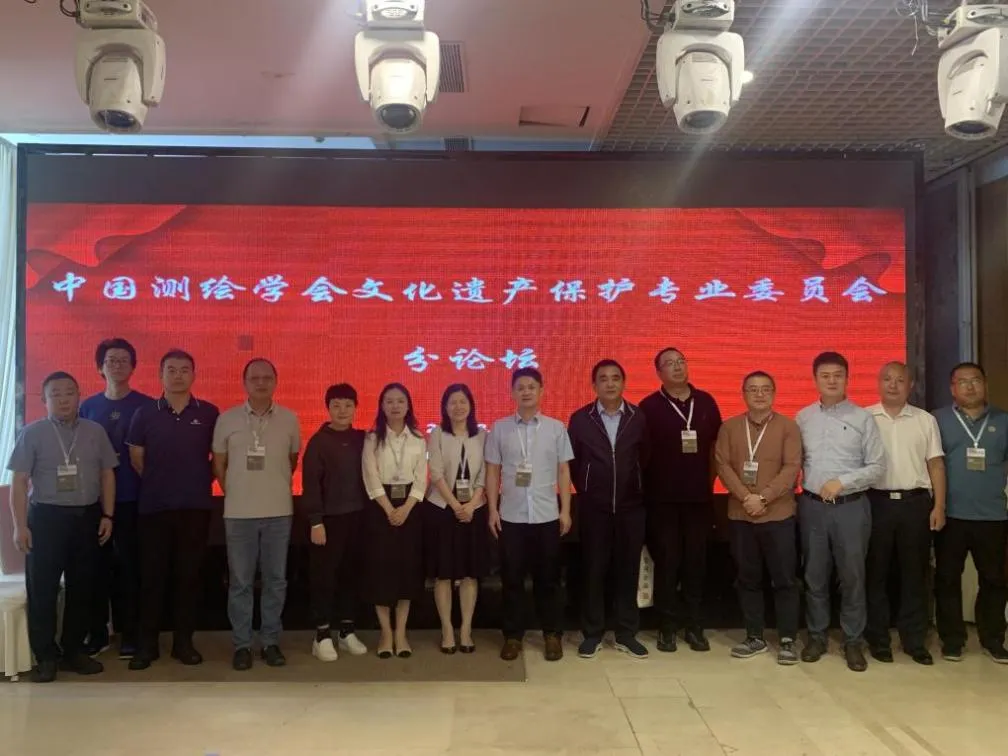
The attending experts shared their latest academic ideas and achievements in the field of digital humanities research. Zhang Rong, Deputy Director of the Cultural Heritage Protection Committee, traced the developmental stages of cultural relic protection survey techniques in China, focusing on how data accuracy has advanced the value research and protection surveys of ancient Chinese wooden structures and the protection surveys of stone artifacts at grotto temples. Jiang Lili, a member of the Cultural Heritage Protection Committee and Director of the Cultural Heritage Center at Dici Technology, pointed out that heritage protection is not only a multidisciplinary integrated field but also a vast information engineering endeavor involving the entire chain from data to information, knowledge, and wisdom. Drawing on Dici Technology's practical cases in digital cultural heritage protection, she elaborated on the application of spatial technology in digital cultural heritage protection from four aspects: digital description, intensive management, systematic understanding, and scientific action.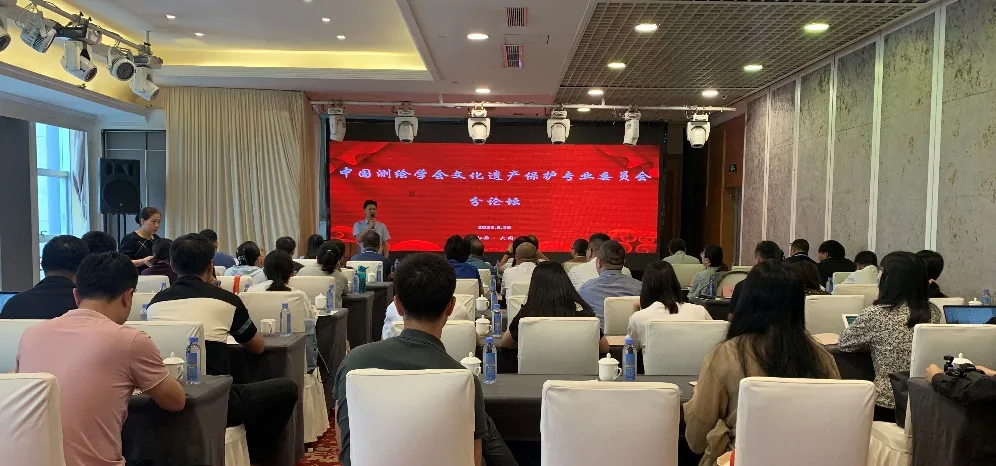
The sub-forum specially invited four guests from cultural heritage management offices and two representatives from cultural relic digitalization enterprises to engage in a roundtable discussion centered on current protection needs and the status of digitalization. All participants agreed that the primary issue in digital intelligence is data security. In subsequent work, while advancing cutting-edge theoretical research and innovation, greater emphasis should be placed on practical project applications, achieving a closed loop of theory plus practice.
Following the presentations, all guests were invited to visit the Yungang Grottoes and their digitalization sites, Huayan Temple, Shanhua Temple, and the Nine-Dragon Wall for a concentrated inspection of the fruitful achievements resulting from the integration of digital humanities and smart data in heritage management and governance, display and dissemination, and technological protection. With this, the 2023 Yungang Cultural Heritage Smart Data and Digital Humanities Research Forum came to a successful conclusion.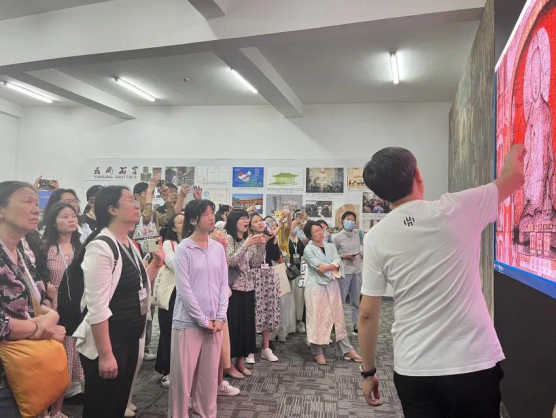
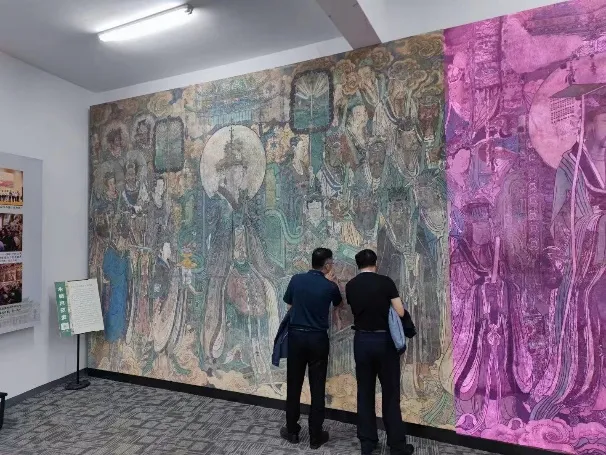
The sub-forum on "Cultural Heritage Protection from the Perspective of Digital Humanities and Smart Data," organized by the Cultural Heritage Protection Committee of the Chinese Society for Geodesy, Photogrammetry and Cartography, provided an academic exchange platform. By pooling wisdom from various parties, it enabled participating guests to learn about the latest interdisciplinary research findings and best practices in specific technologies within the industry. The forum promoted exchange and cooperation within the sector, drove interdisciplinary integration and innovative development, and contributed to the steady and far-reaching advancement of digital protection and utilization of cultural heritage.